

Executive Overview: A High-Margin Opportunity


Analysis of the market confirms a clear and commercially viable opportunity for the Australian red meat industry to capture a significant share of the nation's large, resilient, and rapidly expanding pet supplement market. This is driven by the powerful "humanisation" of pets, with Australians now spending over $33 billion annually on pet care.
The pivot towards proactive, preventative wellness creates a dynamic supplement sector poised for strong growth. Australian red meat is uniquely positioned to meet this demand by leveraging its premium perception and inherent nutritional value.
Core Strategic Findings
A Clear Market Need
The high cost of reactive veterinary care for chronic conditions (e.g., osteoarthritis, skin allergies) creates a compelling economic value proposition for preventative supplements.
The Red Meat Advantage
Underutilised assets, like organ meats, can be strategically repositioned from by-products into high-value "superfood" ingredients, rich in nutrients and highly palatable.
Low-Risk Market Pathway
A capital-efficient entry strategy exists by classifying products as Excluded Nutritional or Digestive (END) supplements, avoiding costly veterinary medicine registration.
The Innovation Frontier
3D printing presents a unique, defensible opportunity for differentiation, enabling hyper-personalisation and precise dosages to lead the pet wellness trend.
The Australian Market Opportunity
Annual Value of Pet Healthcare Products (incl. Supplements)
Projected Supplement Market by 2033
Projected Compound Annual Growth Rate (CAGR)
Key Driver: The High Cost of Reactive Vet Care
The financial burden of chronic disease is a primary motivator for preventative care. With low insurance penetration, most owners bear the full cost.
Dog Owners
Cat Owners
Identified Market Gaps

Adjunctive Therapies
Supplements to support pets alongside conventional treatments for chronic conditions (osteoarthritis, cancer).
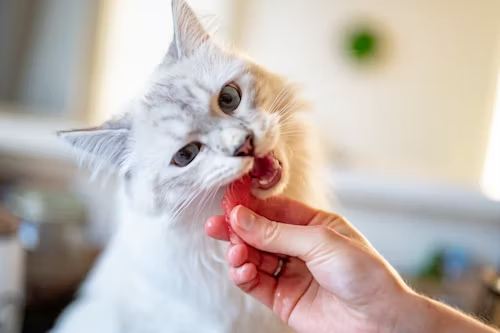
Underserved Feline Market
A fast-growing segment where red meat's superior palatability offers a key advantage for selective eaters.
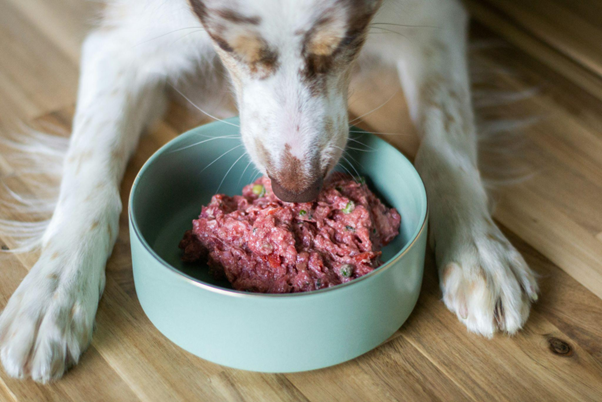
Safe "Raw-Alternative"
Products that offer the benefits of raw meat (nutrient-dense, palatable) in a safe, stable, and complete format.
The Economic Value Proposition (ROI)
A core marketing strategy is framing supplements not as an expense, but as an investment in long-term health and cost avoidance. Our analysis provides a data-driven case for this ROI.
5-Year Cost Comparison: Proactive vs. Reactive Care
*Reactive cost for Dermatitis is based on the low end of the annual range ($1,000/year). Actual reactive costs could be significantly higher (up to $2,500+/year).
The Strategic Product Proposition
Repositioning Organ Meats as "Superfoods"
A key, high-value opportunity is to rebrand nutrient-dense organ meats (e.g., beef liver) from low-value "by-products" into premium "superfood" ingredients. This strategy aligns perfectly with "clean label" and "ancestral diet" trends, transforming a lower-value output into a high-margin, hero ingredient.
Targeting High-Impact Health Conditions
1. Joint Health & Mobility
The largest supplement category. A palatable red meat base ensures high compliance for long-term use.
Strategic Application:
Fortify red meat base with proven anti-inflammatories like marine-sourced Omega-3s (EPA/DHA).

2. Skin & Coat Health
A leading reason for vet visits. Red meat provides essential amino acids for skin health.
Strategic Application:
Combine with Omega-3s and specific probiotic strains to support the skin barrier.

3. Digestive Wellness
A rapidly growing segment, as gut health is linked to overall immunity and well-being.
Strategic Application:
Use a highly digestible red meat base with probiotic and prebiotic ingredients.
Pathway to Market: A Phased Strategy

Our review of Australia's complex regulatory landscape identifies a clear, low-risk, and capital-efficient pathway for market entry.
Success is determined by the strategic management of marketing claims.
Launch as an END Product
Launch with general wellness claims (e.g., "supports joint health") to be exempt from APVMA registration.
- Faster, more cost-effective launch.
- Establish market presence & generate revenue.
- Gather consumer feedback.
- Comply with AS 5812 for credibility.
Invest for Future Growth
Use Phase 1 revenue to fund pet-specific clinical trials to prove efficacy.
- Gain trust from the veterinary community.
- Justify premium pricing.
- Pursue APVMA registration for high-value therapeutic claims.
The Innovation Frontier: 3D Printing
To build a long-term, defensible competitive advantage, 3D printing technology offers a transformative opportunity to differentiate in a crowded market.
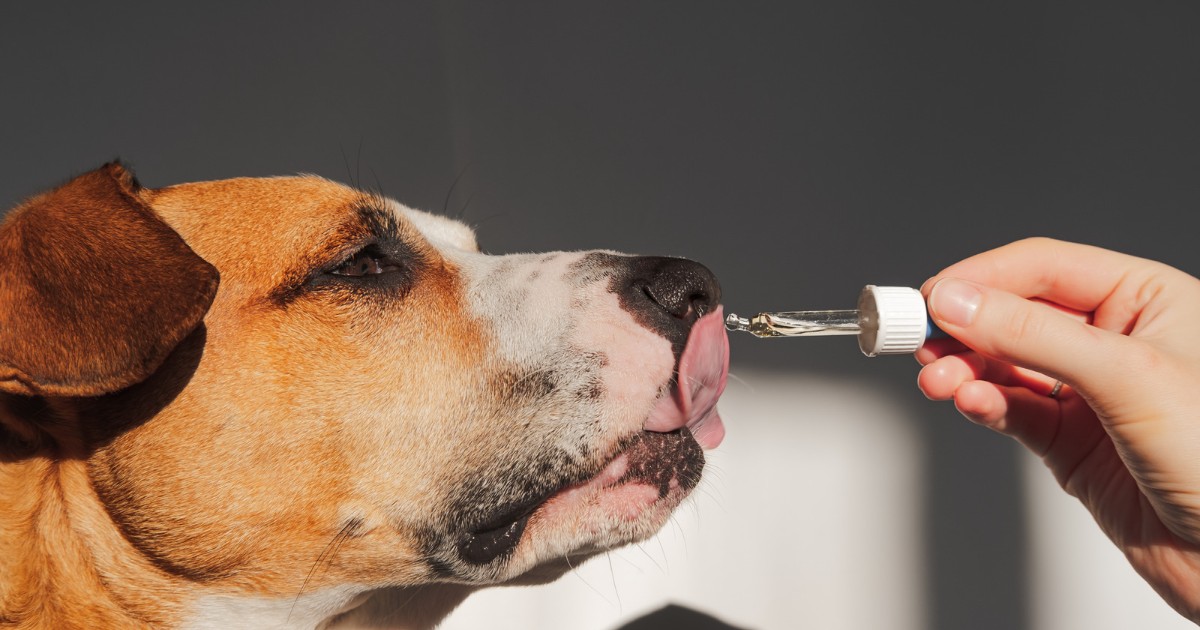
Hyper-Personalisation
Create supplements with precise, customised dosages tailored to a pet's breed, weight, age, or specific health needs.

Enhanced Palatability
Design unique shapes and textures to maximise palatability, especially for the challenging feline market.
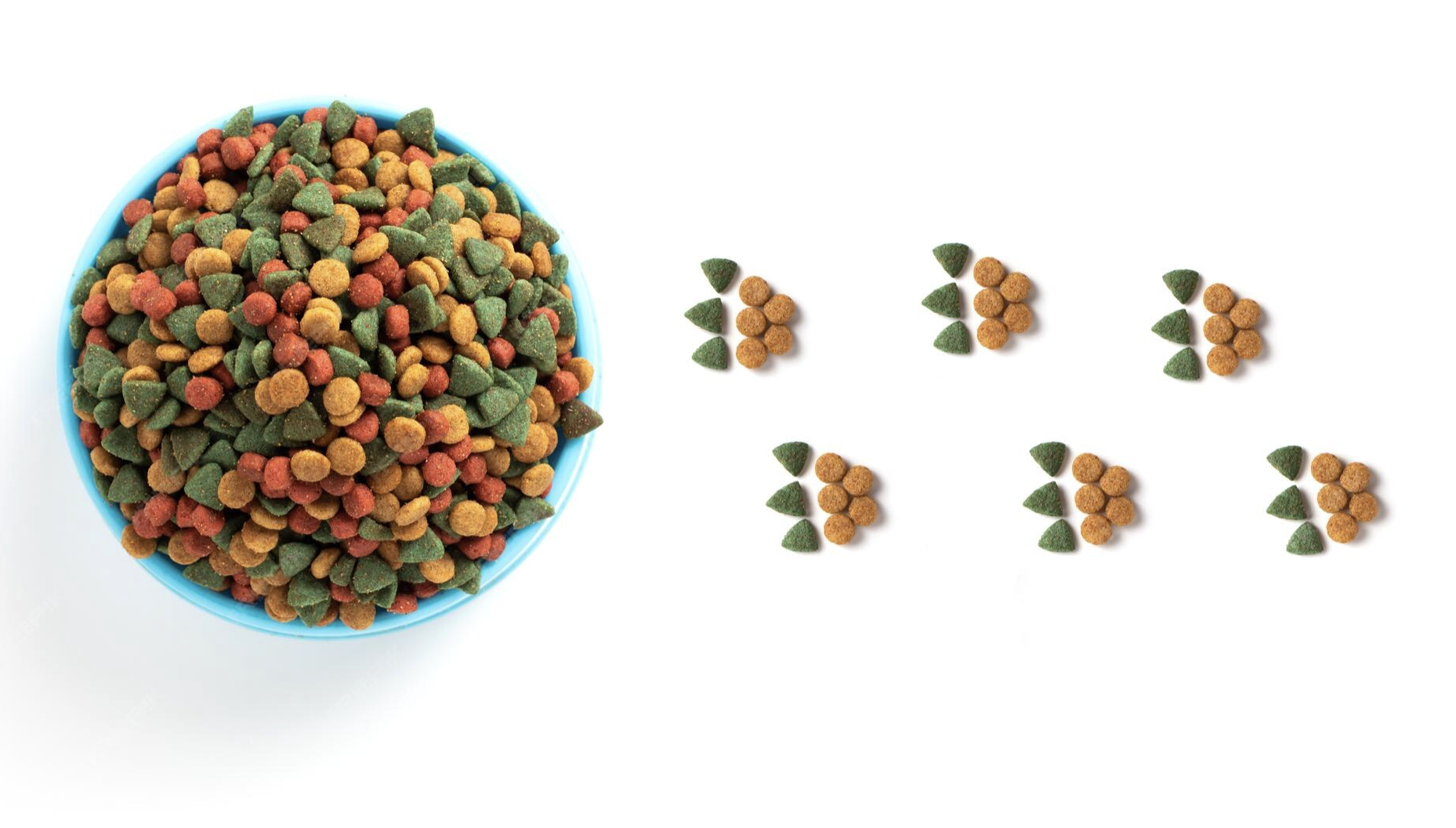
Ingredient Stability
Protect sensitive active ingredients (like probiotics) from degradation by printing them separately from the red meat base.

Defensible Intellectual Property (IP)
Novel manufacturing processes and unique, printable formulations are highly patentable, creating a durable barrier to competition.
Risk Assessment and Mitigation
Regulatory & Compliance
Key Risk: Misclassifying the product by using therapeutic language, triggering a costly APVMA review.
Mitigation Strategy:
Strict claims management. Adhere to END pathway guidelines and ensure all marketing materials undergo legal review.
Supply Chain & Quality
Key Risk: Contamination or adulteration of ingredients, leading to product recall and brand damage.
Mitigation Strategy:
Implement rigorous QC and traceability. Mandate third-party testing and use technology like blockchain for trust.
Market Adoption
Key Risk: Consumer skepticism and a "trust deficit" regarding unsubstantiated claims.
Mitigation Strategy:
Invest in science. Generate pet-specific clinical data, engage veterinarians, and use evidence-based marketing.

Conclusion & Strategic Recommendations
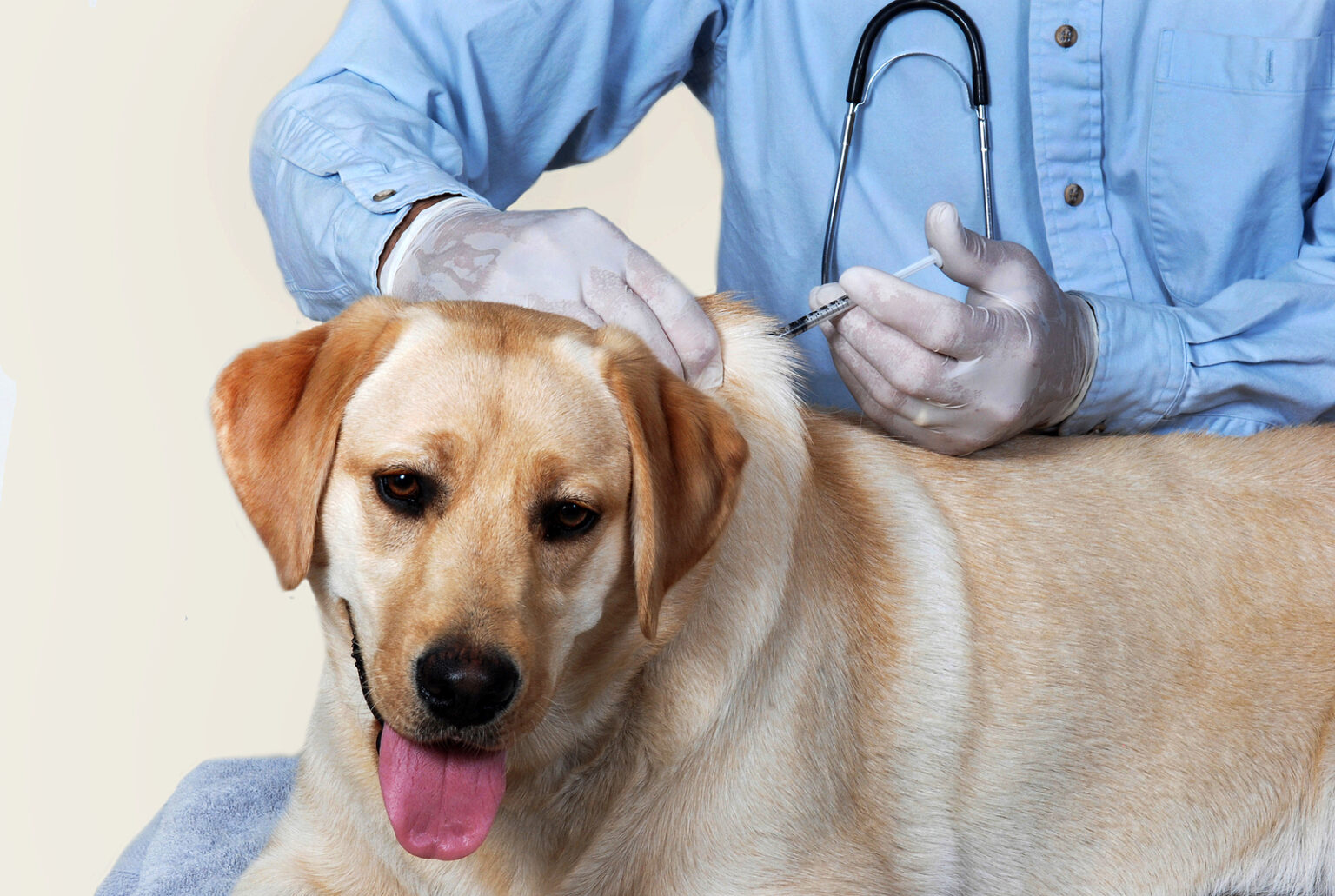
A significant, high-margin opportunity exists. Success requires a strategic, multi-faceted approach that leverages the industry's core strengths while addressing the specific demands of the modern pet owner.
- Prioritise the END Regulatory Pathway: Focus product development on general wellness claims to ensure a rapid, capital-efficient launch.
- Focus on Value-Adding "Superfood" Ingredients: Centre the product strategy around rebranding organ meats. Target the largest health segments: joint, skin, and digestive health.
- Commit to Scientific Validation: This is the most critical factor for long-term success. Invest in pet-specific clinical trials to gain veterinary endorsement and justify premium pricing.
- Build an Evidence-Based Marketing Narrative: Construct all marketing around the clear economic ROI for pet owners and the scientific backing of the product's ingredients.
- Explore 3D Printing as a Long-Term Differentiator: Invest in R&D to develop patentable 3D printing processes to create a unique, hyper-personalised product with a strong competitive moat.
Expert Validation & Peer Review

Dr Paul Ramos
BS BVSc MVSc MRCVS
To ensure our findings align with real-world veterinary science, MLA commissioned Dr Paul Ramos, a practising veterinarian with over 20 years of experience in companion-animal medicine, to critically review the "Pet Health Supplements Using Australian Red Meat Inputs" report.
Dr Ramos brings a unique perspective bridging clinical expertise, entrepreneurship, and animal welfare advocacy.
Review Objective
- Evaluate feasibility and veterinary credibility
- Identify clinical and behavioural limitations
- Recommend scientific validation requirements
✔ The Opportunity
- • Circular Economy Win: Using organ meats and by-products is pragmatic and sustainable. Utilizing the "whole animal" aligns with modern ethical standards.
- • Global Reputation: Australia's status for safety and traceability positions us to lead the premium wellness market.
- • Strategic Shift: The report correctly identifies the evolution from "pets as property" to "pets as family" as the key driver.
! Strategic Watch-outs
- • The "Superfood" Trap: Avoid marketing hyperbole. Terms like "superfood" are scientifically rocky. Focus on nutrient density and balance.
- • The Feline Barrier: Cats are neophobic. Red meat supplements may face rejection without advanced palatability technology (e.g. flavour-neutral pastes).
- • Behavioral Reality: Owners don't buy prevention for "future savings." They buy for immediate emotional reward.
Key Insights: Bridging Farm & Clinic
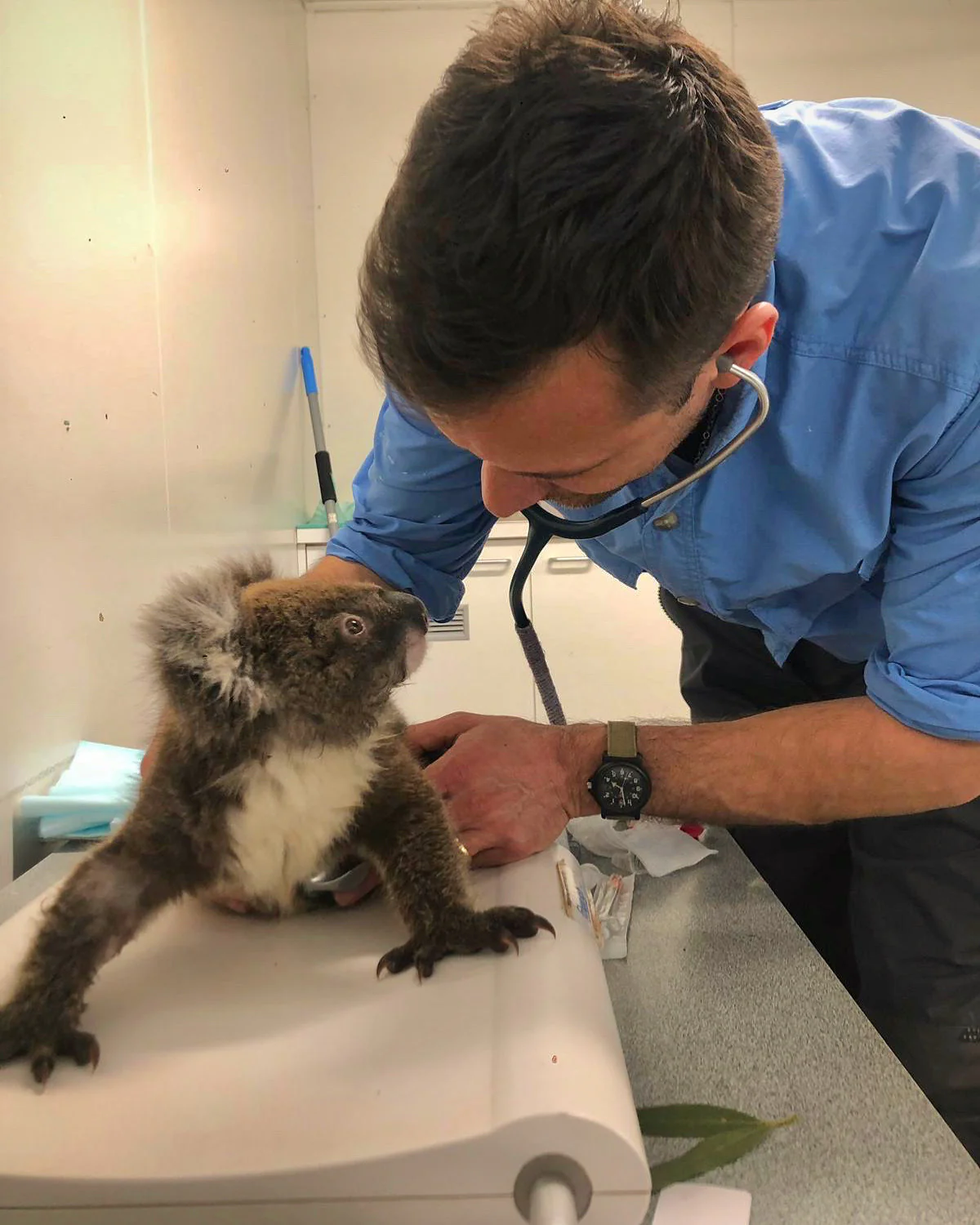
The "Ethical Paradox" of the Wellness Consumer
Dr Ramos notes a critical tension: the consumers most likely to buy premium, natural supplements are often the most climate-conscious. For this demographic, red meat can evoke negative associations (methane, deforestation).
Recommendation:
Marketing must be paired with verified low-carbon or regenerative credentials to avoid "values dissonance." Show the sustainability of using the *whole* animal.
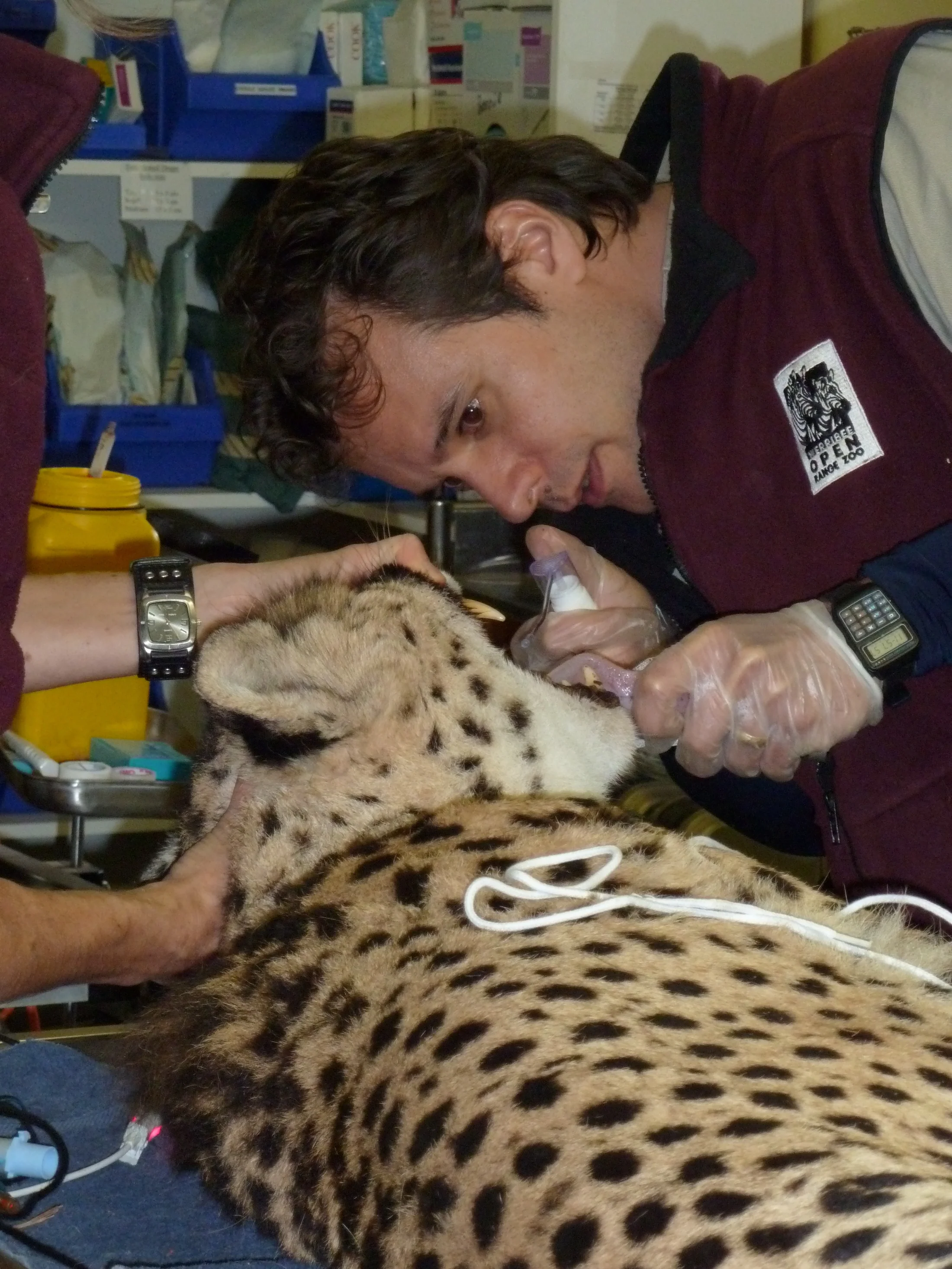
"Science-Backed" Must Mean Clinical Trials
"Vets are the credibility gatekeepers." The review stresses that extrapolating human data is not enough. To earn veterinary trust, claims like "joint support" require blinded, controlled trials in pets.
Recommendation:
Move beyond nutritional analysis. Invest in peer-reviewed studies to substantiate functional claims, rather than relying on open-label pilot studies.

Behaviour Drives Preventive Adoption, Not Future Savings
"Owners don't act on hypothetical future savings." Dr Ramos highlights that preventive decisions depend on immediate relevance and trusted guidance, not long-term financial logic.
Recommendation:
Avoid "long-term cost saving messaging." Focus on immediate wellbeing, guided behaviour, and visible monitoring (e.g., trackable milestones).

Public Perception of 3D Printing
The review emphasises that public acceptance of 3D-printed pet foods is still uncertain. To most owners "printed" food sounds synthetic, the opposite of the "natural" wellness trend they seek.
Recommendation:
Validate consumer psychology before major rollout. Focus communications on precision and safety rather than the novelty of the manufacturing process.
Strategic Conclusion
Overall, the review suggests strong potential for red-meat–based supplements if science, sustainability and veterinary validation lead development. Future stages should prioritise evidence, palatability research, and sustainable sourcing to meet the expectations of modern pet owners.
Future research should involve practising veterinarians in study design, palatability trials, and consumer guidance to ensure real-world relevance.
"If MLA channels its scientific expertise into genuine clinical validation and open communication, it could set a new international standard for integrity in the pet supplement space... Science-backed cannot remain a slogan; it requires rigour."